
Many home and furniture ecommerce sites face the same homepage question: should the first screen show products, discounts, brand slogans, or lifestyle imagery?
The safe answer is usually a product grid. It tells visitors what the store sells. But in the home category, a product grid can also make a brand look like a catalog, a marketplace shelf, or a price-comparison page.
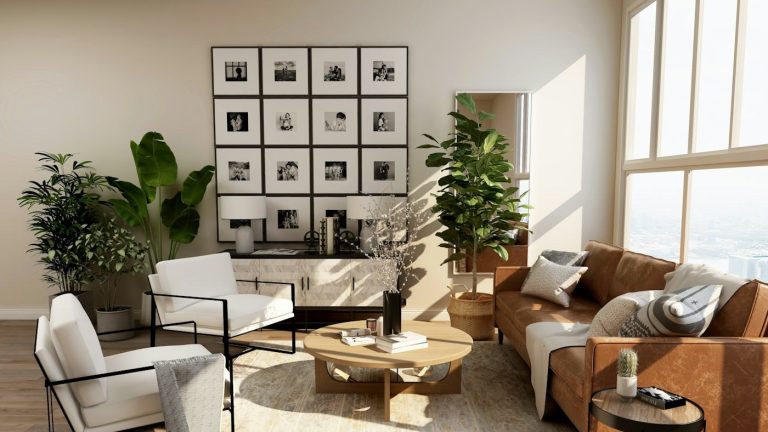
A stronger answer is scene-led commerce: show the room, the use case, the mood, and the life the customer wants to build before pushing individual SKUs.
West Elm is often discussed as a useful example of this approach. The brand grew inside the broader Williams-Sonoma portfolio by positioning modern home design as attainable, coordinated, and lifestyle-driven rather than treating furniture as isolated items. Its site, stores, collaborations, and product development all point toward one operating idea: the customer is not only buying a sofa or shelf. The customer is trying to imagine a better home.
For home brands, furniture exporters, private-label suppliers, and cross-border ecommerce teams, that distinction matters. A product page can sell a chair. A coherent scene can sell a room.
The homepage should reduce imagination cost
Furniture has a high imagination cost.
The customer has to picture size, color, material, proportion, lighting, surrounding decor, and whether the item will fit with everything already in the room. A plain product image on a white background may be useful later, but it rarely solves that first mental problem.
Scene-led home commerce starts by reducing that imagination cost. A living room scene can show the sofa, rug, coffee table, lighting, wall color, storage, and accessories as one coordinated idea. The customer does not have to assemble the room mentally from separate product cards.
This is why lifestyle imagery can be more than decoration. It can become the first layer of merchandising.
For independent home brands, the practical lesson is clear: the homepage should not simply answer “what do we sell?” It should answer “what kind of home can this help me create?”
Product value rises when the room feels complete
A single furniture item is easy to compare. A scene is harder to compare.
If a shopper sees only a side table, the decision quickly becomes price, material, shipping cost, and delivery time. If the shopper sees that same table inside a balanced entryway scene with mirror, bench, lighting, basket, and wall color, the decision changes. The item is no longer just a table. It is part of a finished look.
That helps explain why scene-led merchandising can support stronger basket building. A brand can link the sofa to the rug, the cushion set, the floor lamp, the sideboard, and the wall art. The commercial goal is not to hide price. The goal is to make the product’s role clear enough that customers understand why related items belong together.
For suppliers, this creates a different kind of value. A factory that only provides product photos leaves the brand to build the story. A supplier that can provide room-set photography, coordinated collection logic, material swatches, packaging options, and sample room concepts becomes more useful to ecommerce clients.
Collaborations work when they add identity, not just novelty
Designer collaborations are common in fashion and beauty, but they also fit the home category because interiors are identity-heavy. Customers often want their space to feel selected, not merely furnished.
The useful part of collaboration is not the announcement itself. It is the added layer of taste, craft, locality, or cultural reference that gives the product line a reason to exist.
A ceramic artist, textile designer, illustrator, or small studio can help a home brand create a collection that feels more personal than a standard SKU expansion. That can support higher perceived value, especially for decor, textiles, tabletop items, lighting, and accent furniture.
But collaborations should still be commercially disciplined. The collection needs a clear room context, a practical price ladder, and a path from hero pieces to accessible add-ons. A limited-edition chair may get attention, but matching cushions, throws, side tables, or wall art may create the broader basket.
Stores can become feedback labs
Physical retail is expensive if it only functions as shelf space. It becomes more strategic when it works as a feedback loop.
In home categories, customers reveal useful information in person. They touch fabrics, sit on sofas, compare colors, ask about cleaning, question dimensions, and describe room constraints that may not appear in online analytics. Store events, workshops, and consultations can also show which styles produce real engagement instead of only passive browsing.
That feedback can improve ecommerce decisions. If customers repeatedly say a chair back feels too firm, the product team can adjust materials. If a curtain color wins strong in-store preference, it can be tested online. If a workshop draws interest around small-space organization, the website can build content and bundles around that use case.
The important point is not that every brand needs dozens of stores. The point is that home ecommerce needs qualitative feedback. Pop-ups, showrooms, dealer visits, sample programs, video consultations, and post-purchase surveys can all serve a similar function when used intentionally.
Small-batch testing fits furniture risk better than big bets
Furniture and home decor carry inventory risk. Large items are costly to store, move, return, and discount. A wrong style decision can sit in the warehouse for months.
Small-batch testing is one way to reduce that risk. Instead of committing heavily to a full collection, a brand can launch a controlled quantity, monitor clicks, saves, add-to-cart behavior, waitlist signups, consultation requests, and early conversion data, then expand the winners.
This logic is especially useful for cross-border suppliers and private-label buyers. A new finish, fabric, handle style, modular size, or packaging set does not have to become a full production bet immediately. It can be tested as a limited run, a preorder, a sample-room concept, or a small ecommerce drop.
The lesson is not to move slowly. The lesson is to make decisions from market signals before inventory becomes a problem.
The post-purchase journey should sell the next room decision
In home commerce, the order is not the end of the relationship. It is often the beginning of a longer room-building process.
A customer who buys a sofa may later need a rug, table, lamp, cushion set, storage cabinet, or wall decor. A customer who buys a dining table may later need chairs, lighting, tabletop items, and seasonal styling ideas.
This makes post-purchase communication more valuable than simple logistics updates. Delivery status, installation guidance, care instructions, room styling suggestions, and coordinated recommendations can all reduce anxiety and support repeat purchase.
The mistake is to treat the second purchase as a generic upsell. The better approach is to make it feel like the next logical step in the room.
If the first purchase was a walnut sideboard, the follow-up should not recommend random bestsellers. It should recommend pieces that match material, scale, room type, and style intent. That is where a home brand can turn product data into design guidance.
What home brands and suppliers should take from this
Scene-led commerce is not only a design choice. It is an operating model.
It affects homepage structure, photography, collection planning, product naming, store feedback, inventory testing, email flows, and supplier support. The strongest home ecommerce brands do not simply display products. They help customers move from a vague desire for a better home to a concrete room decision.
For DTC home brands, this means investing in room scenes, coordinated collections, and content that lowers imagination cost.
For importers and distributors, it means evaluating products by their role in a basket, not only their unit price.
For manufacturers and OEM/ODM suppliers, it means supporting buyers with scene-ready samples, material stories, packaging options, and product families that can be merchandised together.
Our view is that independent home ecommerce sites have an advantage over marketplaces when they use that freedom well. A marketplace is optimized for comparison. A brand site can be optimized for imagination. In furniture and home decor, imagination is often where the sale begins.